

Why Agricultural Technology Marketing in Queensland Falls Short
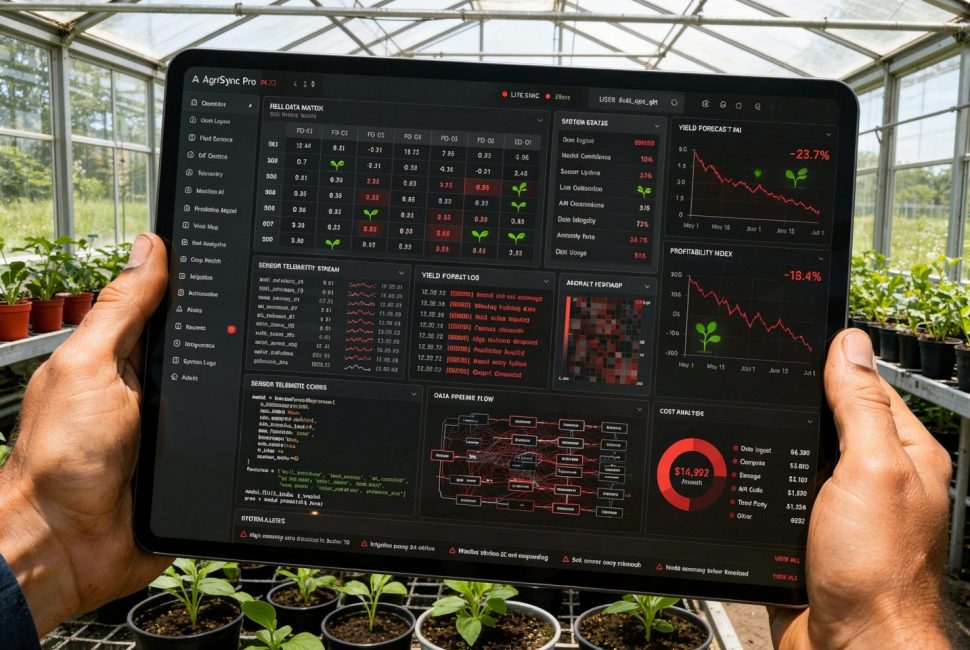
Queensland sits at the frontier of agricultural technology in Australia. From precision agriculture and irrigation automation to farm management software and supply chain traceability, the region’s AgTech sector stands out. Yet, despite these innovative products, a huge portion never makes it to the producers, agronomists or agribusiness operators who need them most. Agricultural technology marketing Queensland is often missing the mark—not because the products lack value, but because the marketing fails to connect with the right audiences or speak their language.
Understanding Queensland’s AgTech Innovation Pipeline
Queensland agricultural technology leads in practical applications. Start-ups and established firms here have developed livestock management systems, soil and crop sensing tools, advanced climate analytics and much more. These products address long-standing challenges for Australian farmers including reduced yields, wasted water and excessive labour. Yet, commercial success remains elusive for many.
The innovation pipeline is not where the main obstacles lie. Most Queensland AgTech products deliver on their technical promise. The struggle emerges at the commercialisation stage. Here, the question shifts from, “Does it work?” to, “Does it reach those who need it, at scale?” This transition exposes a fundamental gap between product and market—a gap shaped by ineffective marketing strategies rather than product flaws.
Common Missteps: Who Actually Buys AgTech?
Many AgTech businesses in Queensland build their marketing around their technology’s features. This inside-out approach appeals most to engineers, not end-users. The typical buyer—a farmer, agronomist or agribusiness manager—does not care about sensor types, imaging resolutions or the nuts and bolts of algorithms. Instead, they focus on outcomes: Reduced water bills, saved labour hours and tangible improvements to crop yields.
Farmers use risk management principles honed over decades because their industry depends on weather and global markets. Their trust leans heavily toward peer recommendations, not vendor pitches. Agronomists gauge a crop-sensing tool based on how it helps clients make profitable choices, not just its technical prowess. When agricultural technology marketing Queensland leans overly technical, it misses these buyers entirely.
Precision Agriculture Marketing: Language Matters
Precision agriculture marketing stumbles when it simply lists features. The typical producer wants to see solutions in action, preferably on local properties with similar operational contexts. Demonstrations in pristine conditions do not resonate. Credibility depends on relatable and honest content, not just technical accuracy. Customers look for proof: Real-world case studies, testimonials from respected peers and endorsements from recognised industry bodies or agronomists.
Lead generation in AgTech marketing Australia must shift focus from how impressive a product is to how it improves a farmer’s specific circumstances. Anything less will rarely move the needle in these communities.
Distribution and Channel Challenges in Agribusiness Marketing Brisbane
The unique business environment of Brisbane’s agribusiness sector raises its own challenges. Many Queensland AgTech companies attempt direct sales. Others sell through agronomists, farm advisors, agricultural retailers or local cooperatives. Each channel demands a unique marketing approach.
Direct-to-farmer marketing in Queensland exists in a vastly different media landscape from that of metropolitan professional services. Here, agricultural publications, industry events, field days and word of mouth matter far more than LinkedIn campaigns or Google Ads. Digital marketing in agribusiness marketing Brisbane can falter when it borrows digital campaign tactics from urban sectors without adapting to local realities. Channels and nuances must match the rural audience and their preferences, otherwise, even strong offerings can languish in obscurity.
How Channel Influences Content and Touchpoints
Regional buyers respond to different cues. Peer-led recommendations, hands-on demonstrations at field days and localised word-of-mouth weigh heavily. A channel model must account for how farmers and advisors make decisions. Agribusiness marketing Brisbane works best when reinforced by credibility and close industry relationships, not digital saturation.
Branding, PR and Communications: Building the Right Story
Successful AgTech businesses in Queensland often differentiate themselves through branding, communications and PR. The farm technology market Queensland trusts companies with clear, simple messages. It focuses on practical value—like how software, sensors or management systems deliver real, day-to-day results. This goes beyond logos or colour palettes; it includes building a narrative that addresses buyer doubts and proves reliability.
Brand positioning is particularly relevant here. Brands that demonstrate longevity and real-world adaptability win over risk-averse buyers. Thoughtful PR campaigns can secure endorsements from local authorities or well-known producers, adding layers of credibility to marketing efforts. Effective communications strategies focus on making complicated technology understandable and trustworthy to rural audiences.
Website Development: Turning Interest Into Action
Website development is sometimes overlooked in agricultural technology marketing Queensland. For regional audiences, a website must serve more than a brochureware function. Prospective buyers look for easy navigation, rural-friendly mobile access and content that answers specific, practical questions. A site benefits from case studies, demo scheduling tools and testimonial videos. It should funnel attention to educational resources, support contacts and trial offers, not just lists of specifications.
The Queensland audience often seeks out proof before reaching out—farmers will browse videos and peer reviews late at night after work, making a clear, well-organised web presence critical to lead generation and conversion.
The Role of Direct Marketing in Queensland AgTech
Direct marketing remains a significant approach. The regional nature of Queensland’s farming communities means that direct email campaigns, mailouts and personal interactions hold weight. Direct marketing must avoid jargon and focus on what matters: Cost reduction, yield improvement and proven results in comparable operations. Educational pieces, such as whitepapers or short tip guides on irrigation automation or livestock management, capture interest.
These campaigns do not replace events or media; they complement them. Even traditional post, when localised and personally addressed, outperforms mass, unfocused mailers. The best results come when leading with value and relevance.
Field Days, Events and Lead Generation
Field days represent one of the most effective lead generation opportunities in Queensland. Agforce Queensland events, Beef Australia and gatherings organised by farming groups are central hubs. They bring together buyers, advisors and often the family members who influence purchasing decisions. Unfortunately, many AgTech vendors attend with little more than stacks of brochures and a handshake strategy.
Field days warrant a strategic approach. Plan clear objectives before the event: Which audiences should visit the stand? Who owns lead capture? How will teams follow up post-event? Effective lead generation depends on actionable touchpoints such as live demonstrations, instant sign-ups for on-farm trials or QR codes linked to detailed case studies. The farm technology marketing Queensland responds to real engagement, not merely product displays.
Bringing Interactivity to Event Marketing
Live demos, in-field test drives or hands-on trials make the technology real for visitors. Video interviews with current users, displayed on screens or tablets, give sceptics confidence. Support materials, such as concise guides or troubleshooting sheets, help establish credibility and show readiness to support the buyer long after the event closes.
Matching Marketing Strategy to Buyers and Channels
Success in Queensland AgTech requires a different marketing strategy from urban B2B tech or retail. Understanding who buys first—producers, farm managers, agronomists or advisors—matters. Marketing efforts that try to address everyone at once tend to resonate with no one. Instead, segmenting the market and prioritising primary buyers delivers better results.
Agricultural technology marketing Queensland achieves scale only with a go-to-market plan addressing four steps: Buyer definition, channel selection, content strategy and mapped sales process. Each section works together: The right audience, engaged in the right places, with credible content and a clear buying journey.
Case Study Content: Proof Matters Most
Australian producers rely on contextualised evidence. Case studies from real Queensland farms carry more weight than technical specs. Video testimonials featuring regional accents and their specific stories speak directly to sceptical buyers. Supporting evidence, in the form of trial outcomes, agronomist endorsements and statistics about day-to-day benefits, must be featured prominently in all materials—on websites, in PR releases and in direct marketing pieces.
Pitfalls and Opportunities: Insights for 2026
Relevant marketing strategy in agricultural technology means avoiding the biggest pitfall: Applying tech-sector digital marketing templates to a sector with an entirely different psychology. Precision agriculture marketing, in particular, works best when anchored in local context and not just the global trends. Buyers may ask, “How does this help me manage labour shortages in Toowoomba?” or “Will this reduce input costs this season, right here in Central Queensland?” Smart marketing answers these questions directly.
An opportunity exists for firms who bridge the gap between technology and the rural customer. Data-driven agribusiness marketing Brisbane and farm technology marketing Queensland must leverage strong relationships, regional voices and proof from trusted sources. Combining targeted content, robust branding, effective website development and a structured approach to lead generation, agricultural technology firms can improve their commercial outcomes and ensure Queensland’s world-class innovation benefits local agriculture at every level.
Rural Buyer Behaviour and the Trust Deficit
Australian farmers’ scepticism comes from experience. Many have witnessed new technology overpromising and underdelivering, followed by poor after-sale support. As a result, buyers insist on seeing independent proof before committing. They ask for results from similar farms in their area. They value endorsements from agronomists or respected peers far above product marketing claims. Addressing this trust deficit is not an afterthought—it defines every touchpoint.
Branding, communications and PR efforts must focus on transparency and reliability. It is not enough to present an innovative product; marketers must demonstrate it in action and offer lifetime support. Long-term credibility is built through consistent delivery rather than bold claims.
Direct Insights: Building Better Communications Strategies
Ultimately, the missing link in Queensland agricultural technology marketing is not budget or ambition, but audience insight. The best marketing consultancies understand that rural markets require patience, humility and granular research. Communications must resonate at a human level. Tailored PR, direct marketing and digital content break through when they reflect real challenges and local dialects, not generic technology messaging.
Combining all marketing disciplines—from website development to brand building, direct email, field presence and sophisticated lead generation—delivers the reach and credibility agricultural technology firms need. When Queensland’s AgTech sector matches its world-class innovation with world-class marketing, the right products will finally reach the farms, agronomists and businesses they were designed to help.